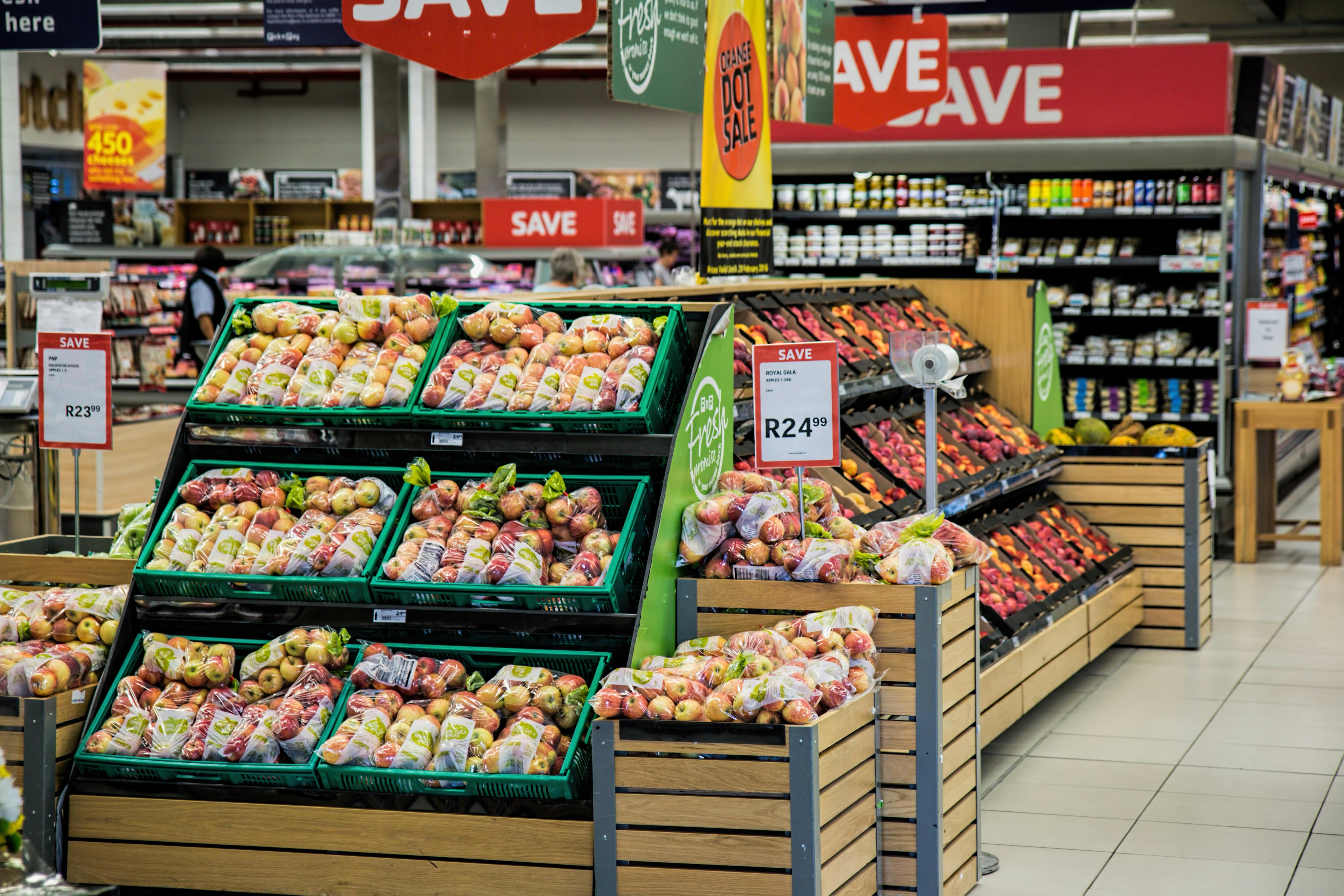
You go to the local kirana store, pick up your usual packet of biscuits, and pay the same ₹10 you always do. Feels normal, right? But when you open the packet, something feels off: noticeably fewer biscuits than before. This is not your imagination.
This is shrinkflation, and it is quietly working alongside its more famous cousin, inflation, to reduce what your hard-earned money can actually buy.
Most of us use "prices are rising" as one big, vague idea. But inflation and shrinkflation are two very different economic maneuvers, and understanding both can help you protect your monthly household budget. Let's break it down in plain, simple language.
What Is Inflation?
Inflation is the general, broad-based rise in prices of goods and services over time. Simply put: the same ₹100 note buys you less today than it did last year. If a litre of milk cost ₹50 last year and costs ₹55 now, that 10% jump is classic inflation at work.
Inflation happens for many economic reasons: rising crude oil and fuel costs, logistics bottlenecks, supply shortages, surges in consumer demand, or simply the cost of agricultural and industrial raw materials going up. The Reserve Bank of India (RBI) tracks inflation closely through consumer price indices (CPI) and adjusts monetary policy to keep it within a target range, because both runaway inflation and deflation harm the broader economy.
The key takeaway with inflation: the price tag itself changes. You see it directly and undeniably on your grocery receipt or checkout screen.
What Is Shrinkflation?
Shrinkflation is far sneakier. Here, the price printed on the label stays exactly the same, but the quantity or grammage inside the pack quietly gets smaller. Your favourite namkeen packet that used to weigh 200 grams now weighs 180 grams, but the MRP printed on it hasn't moved an inch.
Companies do this because a direct price hike is glaringly visible and can immediately scare away price-conscious customers. Nobody likes to see a daily snack suddenly cost ₹5 or ₹10 more. But shrinking the quantity by 15–20 grams? Most shoppers won't even notice, especially with packaged snacks, chocolates, beverages, or detergents where weighing the product before buying isn't part of normal grocery habits.
In short: inflation raises the price you pay; shrinkflation reduces the volume and value you receive for the same price. Both end up doing the exact same thing to your wallet: giving you less for your money, just through different psychological routes.
Inflation vs Shrinkflation: The Simple Difference
| Dimension | Inflation | Shrinkflation |
|---|---|---|
| What changes | Price tag goes up | Quantity / size goes down |
| What stays the same | Product net weight / size | Price printed on the label |
| Visibility | Easy to notice (bill amount jumps) | Hard to notice (packaging looks nearly identical) |
| Common in | Fuel, rent, tuition, services, raw commodities | Packaged food, snacks, FMCG, soaps, detergents |
| Consumer reaction | Immediate pushback, shopping cart adjustments | Often goes unnoticed for months |
Why Companies Prefer Shrinkflation Over Price Hikes
When the input cost of raw agricultural commodities, packaging polymers, diesel freight, or manufacturing labour goes up, consumer brands face a dilemma: raise the retail price or trim the quantity inside the pack.
Most Indian FMCG (Fast-Moving Consumer Goods) manufacturers choose the second option because Indian consumers are exceptionally price-sensitive, particularly around iconic lower-denomination price points like ₹5, ₹10, or ₹20. In behavioral economics, stepping from ₹10 to ₹12 or ₹15 breaks a powerful psychological ceiling. A small weight reduction of 10 to 20 grams, on the other hand, preserves the coin-drop convenience that drives impulse purchases.
This is why shrinkflation is heavily concentrated in everyday convenience goods rather than big-ticket items like consumer electronics, appliances, or automobiles, where buyers already anticipate and accept periodic price revisions.
Real Case Study: How Indian FMCG Brands Used Shrinkflation (2024–2026)
Let's look at what actually played out across Indian retail shelves, rather than just abstract economic theory.
Between 2024 and 2026, India experienced a significant wave of shrinkflation across the FMCG landscape. Escalating crude oil prices, spikes in imported palm oil, and higher polymer packaging costs squeezed corporate operating margins. Rather than issuing disruptive across-the-board MRP hikes, prominent household brands including Britannia, Nestlé India, Hindustan Unilever (HUL), Dabur, Emami, and Varun Beverages systematically downsized pack weights to protect their gross margins.
Financial analysts at Nuvama Institutional Equities noted during this cycle that commodity input cost inflation alone could erode operating gross margins by 100 to 250 basis points if consumer goods companies failed to adjust pack grammages or retail pricing.
Parle Products, the makers of India's legendary Parle-G biscuit, provides the textbook example of this phenomenon across decades. Parle famously held its sacred ₹5 entry price point steady for generations. Whenever wheat flour, sugar, and edible oil prices spiked, the company protected the consumer's wallet by shaving a few grams off the biscuit pack weight rather than raising the price tag.
Market researchers have even popularized the "Parle-G Economic Index" — using the biscuit's evolving pack weight as an informal barometer of real inflationary pressure on everyday Indian households. Similar tactics were documented internationally by NPR, highlighting examples such as popular dish soap bars shrinking from 155 grams down to 135 grams while maintaining an identical sticker price.
The lesson is straightforward: when an everyday brand's price hasn't moved in a long time despite broader economic inflation, never assume you are getting the same deal. Look closely at the net weight printed on the back.
How to Spot Shrinkflation When You Shop
- Check the net weight, not just the MRP: The weight is always printed by law on the back or bottom corner near the manufacturing date. Get in the habit of glancing at it.
- Compare unit pricing (price-per-100g or price-per-litre): Modern quick-commerce platforms (Blinkit, Zepto, Instamart) and hypermarkets display unit rates. A ₹90 pack that costs ₹45/100g is worse value than an old ₹100 pack that cost ₹40/100g.
- Watch for "New & Improved" packaging claims: Brands frequently celebrate a redesigned wrapper or sleeker bottle when shrinking internal volume, diverting attention from the downsized net content.
- Be alert around Budget announcements and festive quarters: When freight tariffs, corporate taxes, or agricultural commodity duties shift, companies frequently seize the window to resize packaging runs.
Why This Matters for Your Household Budget
Both inflation and shrinkflation steadily erode your purchasing power, but shrinkflation is more deceptive because it gives an illusion of stability. You might look at your monthly grocery expenses and believe your budget is holding steady because individual bills haven't dramatically risen.
In reality, your pantry runs out of detergent, biscuits, and cooking oil noticeably faster, forcing more frequent shopping trips and subtly inflating your annualized living costs. Tracking your household consumption by quantity consumed rather than just rupee totals is the only way to get an accurate view of your actual cost of living.
Whether you are an e-commerce seller navigating marketplace fee structures or a brand calculating unit profitability, explore Vakya Labs' free E-Commerce & Marketplace Profit Calculator and ROAS Calculator to protect your commercial margins.
Frequently Asked Questions
Is shrinkflation illegal in India?
No, shrinkflation itself is not illegal in India, provided the manufacturer accurately prints the revised net weight, unit price, and consumer care details as mandated by the Legal Metrology (Packaged Commodities) Rules. However, consumer welfare forums continue to advocate for clearer front-of-pack disclosures whenever product volumes are reduced.
Does shrinkflation count as inflation in official data?
Not directly or fully. Official macroeconomic benchmarks like the Consumer Price Index (CPI) measure price alterations across a fixed basket of goods. When the price remains ₹10 but grammage drops from 100g to 80g, standard price tracking can understate the real cost impact on families.
Which products see the most shrinkflation in India?
Packaged snacks, potato chips, biscuits, chocolates, carbonated beverages, laundry detergents, and bath soaps witness the highest prevalence, primarily because they rely heavily on fixed low-denomination price points (₹5, ₹10, ₹20, ₹50) that drive daily retail trade.
How can I protect my budget from both inflation and shrinkflation?
Adopt unit-price shopping habits (comparing cost per 100 grams or per millilitre), purchase standard non-perishable pantry items in larger bulk sizes where packaging overheads are lower, and regularly audit your family's replenishment frequency rather than relying solely on monthly expenditure receipts.
Is shrinkflation a recent trend or has it always existed?
Shrinkflation is a decades-old global commercial strategy. However, it becomes notably more aggressive and widespread during sustained periods of input-cost volatility and supply-chain pressures, such as the macroeconomic environment observed across India from 2024 through 2026.